Category: Uncategorized

  • Your Fall Reset: What an Annual Exam Covers

    Your Fall Reset: What an Annual Exam Covers

    Fall is a natural time to reset. The kids are back in school, the holidays are on the calendar, and the end of the year is close. It’s also a good time to check one important thing off your list: your annual exam.

    Many women put it off when they feel fine. But this visit is meant for when you feel fine. It gives you and your provider a chance to catch small issues early and plan for the year ahead.

    If it’s been a while, or you’re not sure what to expect, here’s a simple guide.

    What Is an Annual Exam?

    An annual exam is a preventive visit. Its goal is to help you stay healthy, not to treat a specific problem. The American College of Obstetricians and Gynecologists (ACOG) recommends a first visit between ages 13 and 15, then a visit every year after that.

    Every visit looks a little different. What happens depends on your age, your health history, and your goals. Not every test happens every year, and that’s normal.

    What Your Annual Exam Covers

    A conversation about your health

    Much of the visit is simply talking. Your provider may ask about:

    • Your periods, including changes in timing, flow, or pain
    • Birth control and family planning
    • Sexual health
    • Mood, stress, and sleep
    • Diet, exercise, and habits like smoking or drinking
    • Your family’s health history

    This part matters. Your health history is one of the most useful parts of the visit, so be as open as you can. Your answers help your provider decide which tests make sense for you.

    Vital signs and a physical exam

    Your provider will likely check your blood pressure and weight. They may also feel your neck and thyroid gland to check for lumps or changes.

    Breast exam

    Your provider may do a breast exam and talk with you about mammograms (X-rays of the breast used to screen for breast cancer). For women at average risk, guidelines suggest starting mammograms at age 40 and repeating them every one to two years. If breast cancer runs in your family, your provider may suggest a different plan.

    Pelvic exam

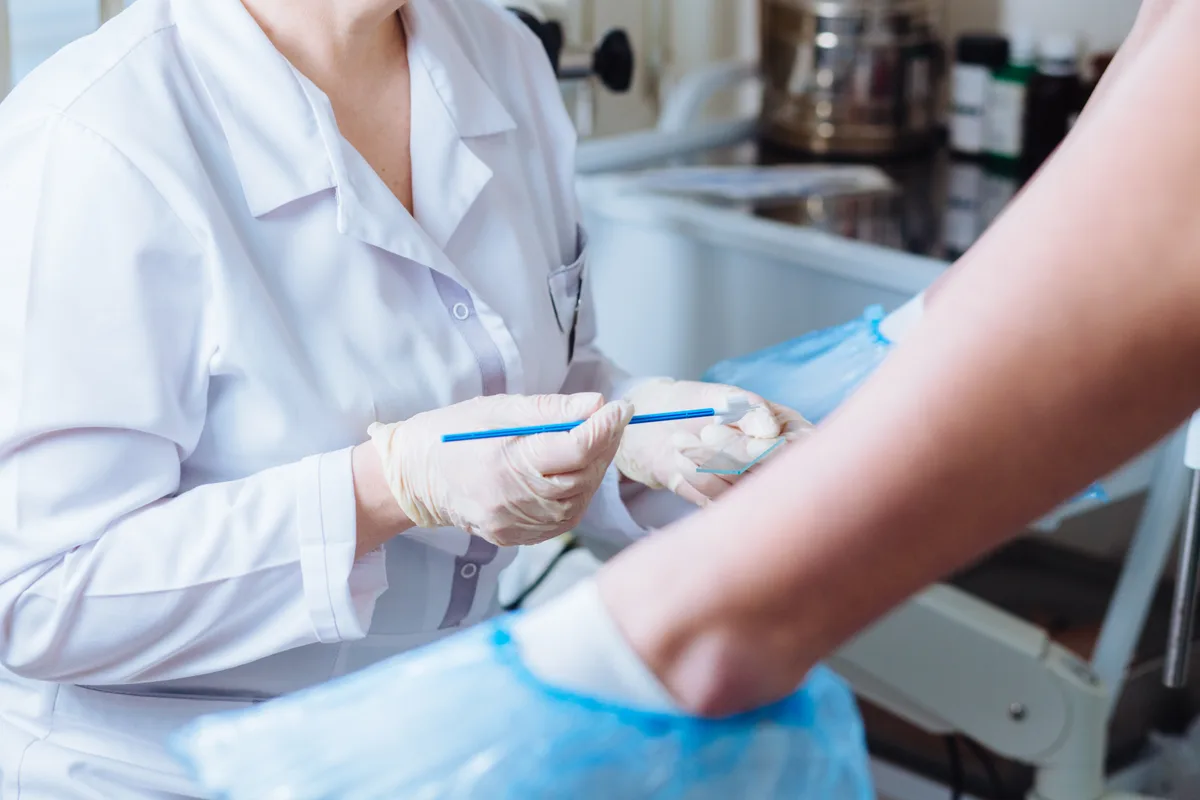
    A pelvic exam lets your provider check your vulva, vagina, cervix, uterus, and ovaries. It usually takes just a few minutes. Not everyone needs a pelvic exam every year. You and your provider can decide together if one is right for this visit.

    Cervical cancer screening

    A Pap test looks for cell changes on the cervix. An HPV test checks for human papillomavirus (HPV), the virus that causes most cervical cancers. Most women don’t need these tests every year. General guidelines for women at average risk are:

    • Ages 21 to 29: a Pap test every 3 years
    • Ages 30 to 65: an HPV test every 5 years, a Pap and HPV test together every 5 years, or a Pap test every 3 years

    Your provider will let you know which test you’re due for and when. If a result comes back abnormal, learn more about abnormal Pap smears and what happens next.

    Other screenings and vaccines

    Depending on your age and risk factors, your annual exam may also include:

    • Screening for sexually transmitted infections (STIs)
    • Blood work for cholesterol or diabetes
    • Bone density testing
    • Screening for depression or anxiety
    • Vaccines, such as the HPV vaccine or a flu shot
    • Screening for blood in the stool

    Since fall is flu season, it’s a good time to ask about your flu shot too.

    Your Annual Exam at Every Stage of Life

    Your needs change over time, and so does your visit.

    • Teens and young adults: questions about periods, the HPV vaccine, birth control, and healthy habits
    • 20s and 30s: family planning, cervical cancer screening, and planning for a healthy pregnancy if that’s a goal
    • 40s: mammograms, plus early changes that can come with perimenopause (the years leading up to menopause)
    • 50s and beyond: menopause symptoms, bone health, and heart health

    How to Prepare for Your Annual Exam

    A little prep can help you get the most out of your visit:

    • Write down any questions or concerns, even ones that feel small.
    • Note the first day of your last period.
    • Bring a list of your medications, vitamins, and supplements.
    • Learn what you can about your family’s health history.
    • Check your insurance. Many plans cover a yearly well-woman visit, but call your plan to confirm what’s included.

    If your period starts close to your appointment, call the office before you cancel. In many cases, you can still be seen.

    Things to Keep in Mind

    Some parts of the exam can feel awkward or a little uncomfortable, especially the pelvic exam. That’s very common. Tell your provider how you’re feeling. You can ask questions, ask them to explain each step, or ask them to pause at any time.

    It’s also good to know that screening tests aren’t perfect. Sometimes a result comes back abnormal when nothing is wrong, and you may need a follow-up test. Your provider can walk you through what your results mean and what comes next.

    When to See a Provider Sooner

    Your annual exam isn’t the only time you can come in. It’s a good idea to make an appointment sooner if you notice:

    • Bleeding between periods or after menopause
    • A new lump or change in your breast
    • Pelvic pain that doesn’t go away
    • Unusual vaginal discharge, odor, or itching
    • Periods that are much heavier or more painful than usual
    • Hot flashes, sleep problems, or mood changes that affect your daily life

    Make Your Annual Exam Part of Your Fall Reset

    An annual exam is one of the simplest things you can do for your health this season. It’s a chance to ask questions, stay current on screenings, and start the new year with a clear plan.

    Rhett Women’s Center cares for women from their teen years through menopause. If it’s been more than a year since your last annual exam, now is a great time to schedule an appointment.

  • Perimenopause Is Real. So Are Your Options.

    Perimenopause Is Real. So Are Your Options.

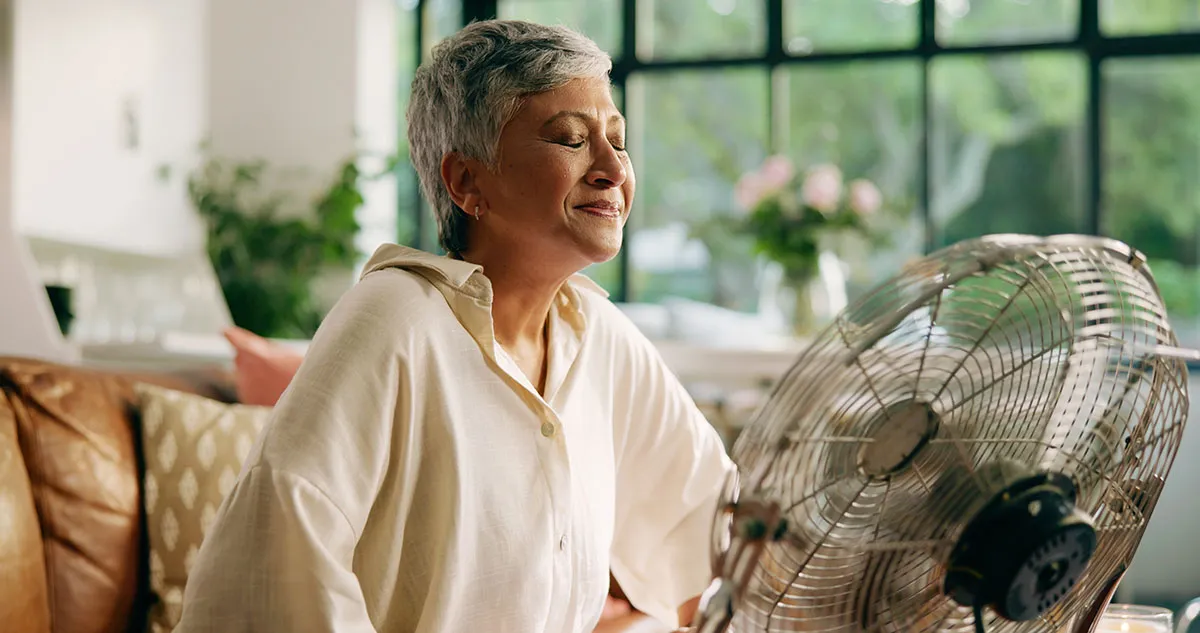
    You used to sleep through the night. Now you wake up at 3 a.m. hot and restless. Your periods are heavier, or they show up whenever they want. You feel foggy, short-tempered or just not like yourself.

    If this sounds familiar, you may be noticing perimenopause symptoms. Perimenopause is the transition leading up to menopause, and it can start years before your last period. The good news is you don’t have to push through it alone. There are real, effective ways to feel better.

    What is perimenopause?

    Perimenopause is the time when your body begins to make less estrogen and progesterone. It often starts in your 40s, but some women notice changes in their late 30s. It can last anywhere from a few years to a decade.

    Menopause itself is one point in time: 12 months in a row without a period. Everything before that point is perimenopause. Because hormone levels rise and fall unevenly during this stage, symptoms can come and go.

    Common perimenopause symptoms

    Every woman’s experience is different. Some of the most common signs include:

    • Irregular periods, including periods that come closer together or further apart
    • Heavy or long periods that make it hard to plan your day
    • Hot flashes and night sweats
    • Trouble falling or staying asleep
    • Mood changes, anxiety or irritability
    • Brain fog or trouble focusing
    • Lower sex drive or vaginal dryness
    • Weight changes, especially around the middle
    • Low energy

    You may have one or two of these, or many. None of them are “just in your head.”

    When heavy periods get in the way

    Are your periods interfering with your lifestyle? Heavy bleeding is one of the most common reasons women in their 40s see a gynecologist. Soaking through pads or tampons every hour or two, passing large clots, or planning your week around your cycle are all worth a conversation.

    Heavy bleeding can have several causes, including hormone changes, fibroids or polyps. Your provider can help find the cause and talk through options. These may include medication, hormone therapy or a minimally invasive procedure. At Rhett Women’s Center, many procedures can be done in our on-site surgical suite, which may mean a simpler experience and lower cost than a hospital setting.

    What is pellet therapy?

    Pellet therapy is one way to deliver hormones. A pellet is a tiny implant, about the size of a grain of rice. It contains estrogen, testosterone or both.

    During a short office visit, your provider places the pellet just under the skin of the upper buttock. The area is numbed first. The pellet then releases a steady, low dose of hormones over about three to four months.

    Many women like pellet therapy because there are no daily pills, patches or creams to remember.

    How pellet therapy may help perimenopause symptoms

    For some women, balancing hormones can ease symptoms such as:

    • Hot flashes and night sweats
    • Poor sleep
    • Mood swings
    • Low energy
    • Low sex drive

    Results vary. Some women notice changes within a few weeks, while others take longer. Your provider will use lab work and follow-up visits to track how you’re doing and adjust your plan.

    Pellet therapy is not the only option

    Hormone therapy comes in many forms, including pills, patches, gels, rings and pellets. Some women do best with a non-hormonal approach. The right choice depends on your symptoms, health history and personal preferences.

    A menopause-focused provider will walk you through the pros and cons of each option, not just one.

    Risks and things to consider

    As with any treatment, hormone therapy has risks. It’s important to know:

    • Hormone therapy is not right for everyone, including some women with a history of certain cancers, blood clots or stroke.
    • Once a pellet is placed, the dose can’t easily be changed until it wears
    • Possible side effects can include acne, hair changes, breast tenderness, mood changes or unexpected bleeding.
    • Estrogen and testosterone pellets are compounded, which means they are not FDA-approved products for women the way many pills and patches are.

    A full health history, exam and lab work help your provider decide whether pellets or another approach is the safest fit for you.

    When to see a provider

    It’s a good idea to schedule a visit if you:

    • Have periods that are heavy, very long or unpredictable
    • Bleed between periods or after sex
    • Have any bleeding after menopause
    • Have hot flashes, sleep problems or mood changes that affect daily life
    • Feel like your current treatment isn’t working

    Bleeding after menopause should always be checked by a doctor.

    Taking the next step

    Perimenopause symptoms are common, but that doesn’t mean you have to live with them. Whether you’re dealing with heavy periods, hot flashes or both, a provider who focuses on menopause care can help you find a plan that fits your life.

    Rhett Women’s Center has cared for women in the Lowcountry for more than 40 years, with offices in Mt. Pleasant and Georgetown. To talk about your symptoms and options, call 843-375-2210 or request an appointment.

  • Fall Is the Perfect Time for a Chemical Peel + IPL Photofacial at Rhett Women’s Center

    Fall Is the Perfect Time for a Chemical Peel + IPL Photofacial at Rhett Women’s Center

    If summer left your skin looking a little dull, uneven, or sun-worn, you’re not alone. It’s one of the most common concerns we hear from patients heading into fall. This September, Rhett Women’s Center is making it easier to address it with a special on two of our most popular skin treatments: chemical peels and IPL Photofacial.

    What Is a Chemical Peel?

    A chemical peel uses a controlled solution to gently remove the outermost layer of skin. As that layer sheds, it can reveal smoother, more even-toned skin underneath. Peels are often used to help with rough texture, dullness, and fine lines, and they come in different strengths depending on your skin and your goals.

    What Is IPL Photofacial?

    IPL, or intense pulsed light, is a treatment that uses light energy to target pigment beneath the skin’s surface. It’s commonly used for sun damage, redness, and areas of uneven pigment. Many people find it helpful for the kind of sun spots and blotchiness that build up after years of summer sun exposure.

    Why Pair the Two?

    A chemical peel works on the surface layer of your skin, while IPL works on pigment deeper down. Booking them together means you’re addressing both at once, which is part of why we’ve paired them for this special.

    This Month’s Offer

    Here’s exactly how the September special breaks down:

    • Book a ZO Chemical Peel
    • Get your IPL Photofacial at 50% off
    • Add a ZO or Colorescience sunblock and save 20%, a good option for aftercare since freshly treated skin is more sensitive to sun

    Book your chemical peel and IPL appointment here.

    What to Expect

    Most patients can have both treatments done in the same visit, though your provider may space them out depending on your skin. Afterward, it’s normal to see some redness or mild flaking for a few days as your skin adjusts. Sunblock is especially important during this window, which is part of why it’s included in this month’s special.

    Is This Right for You?

    Chemical peels and IPL aren’t the right fit for every skin type or every concern, and factors like recent sun exposure, certain medications, and skin sensitivity can matter. Your provider will look at your skin and your goals at your visit to help you decide what makes sense.

    Ready to book? This special is available for a limited time in September. Book your appointment today!

  • GLP-1 Weight Loss and Hormone Pellet Therapy: How They Work Together

    GLP-1 Weight Loss and Hormone Pellet Therapy: How They Work Together

    If you’ve felt tired, foggy, or stuck at a weight that won’t budge no matter what you try, you’re not imagining it. For a lot of women, especially during perimenopause and menopause, hormone shifts and weight gain tend to show up together. At Rhett Women’s Center in Mt. Pleasant and Georgetown, GLP-1 weight loss and hormone pellet therapy are often used side by side to address both at once.

    Learn what each treatment does, who tends to benefit, and what to expect if you’re considering one or both.

    What Is GLP-1 Weight Loss?

    GLP-1 medications, like semaglutide and tirzepatide, work by mimicking a hormone your body already makes to help regulate appetite and blood sugar. At Rhett Women’s Center, GLP-1 weight loss is offered as a physician-supervised program built around weekly injections, paired with lab work and nutrition guidance, rather than a prescription handed over without follow-up.

    What Is Hormone Pellet Therapy?

    Hormone pellet therapy uses small pellets, about the size of a grain of rice, placed just under the skin. They release a steady dose of estrogen and/or testosterone over three to four months. Compared to daily pills or creams, pellets tend to offer more consistent hormone levels, which many patients find translates to steadier energy and mood.

    Who Can These Treatments Help?

    • Women in perimenopause or menopause, the years leading up to and following your final period, who are dealing with fatigue, hot flashes, or mood changes
    • People who have tried diet and exercise changes without lasting weight loss results
    • Anyone noticing that low energy or a stubborn weight seems tied to hormone shifts

    These treatments aren’t the right fit for everyone. Your provider will review your health history and labs before recommending either option.

    How They Work Together

    Weight gain and hormone imbalance often share the same root causes, which is part of why so many patients ask about both treatments at once. Pellet therapy can support steadier energy and mood, while GLP-1 medication supports appetite regulation and metabolism. Combining the two is common, especially for women managing both hormone symptoms and weight change at the same time.

    What to Expect

    Most patients start with a consultation to go over health history, followed by baseline labs. From there:

    • GLP-1 treatment usually starts at a low weekly dose, increased gradually based on how your body responds
    • Pellet insertion is a quick, in-office procedure, with many patients noticing a difference within about two weeks
    • Follow-up visits, typically monthly, let your provider adjust your plan as you go

    Risks and Considerations

    As with any medical treatment, GLP-1 medications and hormone pellet therapy come with some risks and aren’t right for every patient. GLP-1 medications can cause nausea or digestive changes, especially in the first few weeks. Pellet therapy involves a minor in-office procedure, with a small risk of soreness or bruising at the insertion site. Your provider can walk you through your personal risk factors and how each treatment interacts with any medications you’re currently taking.

    When to Talk With a Provider

    If you’ve noticed ongoing fatigue, weight that isn’t responding to diet and exercise changes, or symptoms like hot flashes and low mood that are affecting your daily life, a conversation with a provider who can look at your labs and health history together, rather than treating each symptom on its own, is a reasonable next step.

    Taking the Next Step

    GLP-1 weight loss and hormone pellet therapy address two different sides of the same problem for a lot of women: energy and balance on one hand, sustainable weight loss on the other. If either sounds like it fits what you’re dealing with, schedule a consultation with Rhett Women’s Center to talk through your options.

    Individual results vary. Talk with your provider to determine whether GLP-1 weight loss or hormone pellet therapy is right for you.