


Overview
An abnormal Pap smear doesn’t always mean something serious, but it does mean it’s time to take a closer look. At Rhett Women’s Center, we take a thoughtful and individualized approach to abnormal Pap results.
Our providers consider your age, medical and sexual history, and past Pap results to determine the best next steps.
What Happens Next?
In many cases, abnormal Pap results do not require immediate treatment. Your provider may recommend one of the following:
Repeat Testing
Minor abnormalities may resolve on their own. We may repeat your Pap smear in 6–12 months to monitor for changes.
HPV Testing
This test identifies high-risk strains of HPV that are more likely to cause cellular changes in the cervix.
Colposcopy
If your results require closer inspection, your provider may perform a colposcopy, a simple in-office procedure that uses a colposcope (a magnifying lens with a light) to examine the cervix, vagina, and vulva. If abnormal tissue is seen, a small biopsy may be taken for lab testing.
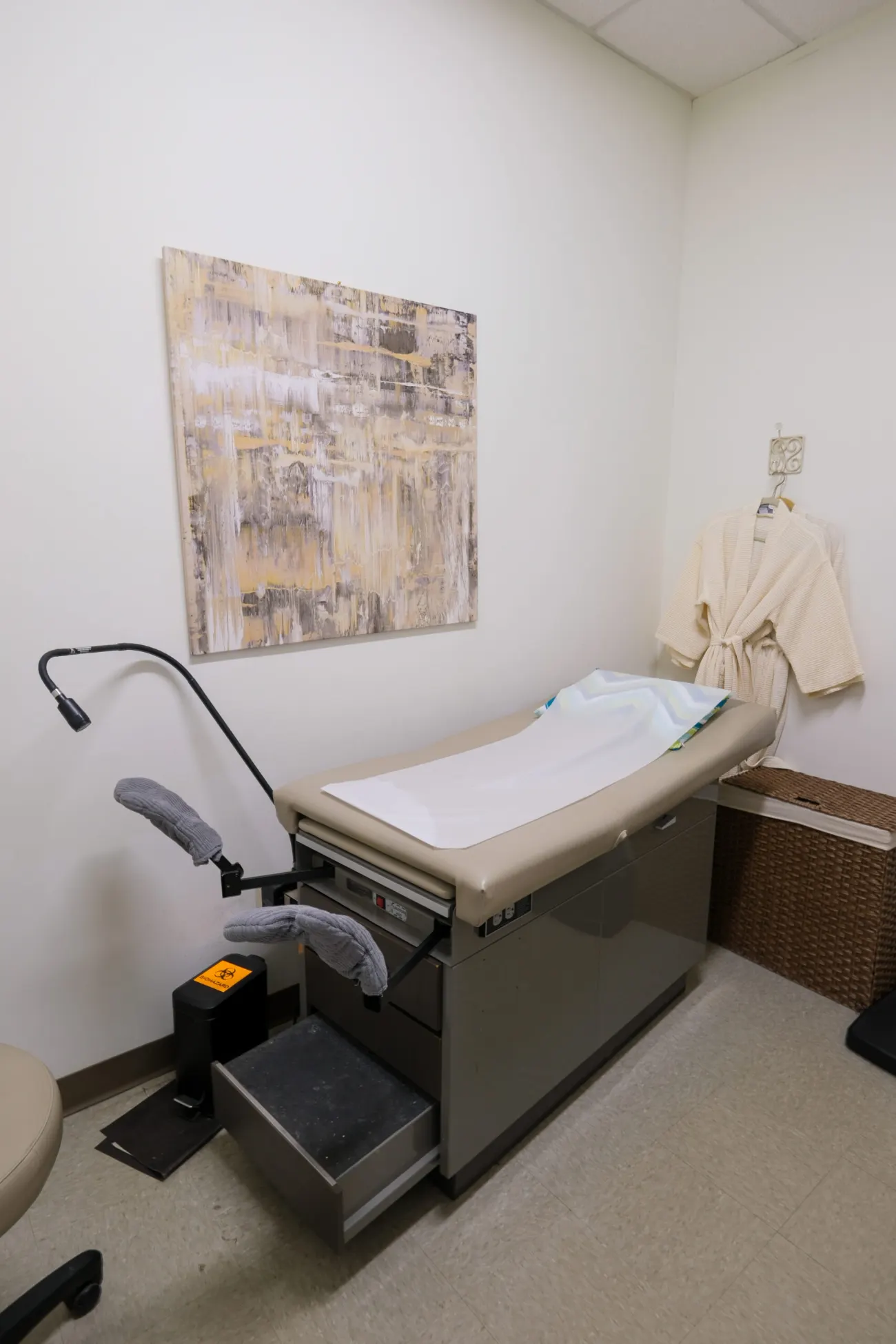
Our experienced providers, Dr. Rhett and Dr. Smith, perform colposcopies and biopsies with care and attention to your comfort.
What Does an Abnormal Pap Mean?
A Pap smear screens for changes in cervical cells that may indicate infection, inflammation, or precancerous activity. These changes are most often caused by the human papillomavirus (HPV), a very common virus that most women will be exposed to at some point. An abnormal result may indicate:
- Mild or moderate cell changes
- HPV-related cellular changes
- Inflammation or infection
- Rarely, signs of more serious conditions that need further evaluation
Abnormal Pap Smear FAQs
Does an abnormal Pap smear mean I have cancer?
No. In most cases, it means there are minor cell changes, often due to HPV, that may clear on their own or need further monitoring.
What is HPV and how is it related to Pap smears?
HPV is a common virus spread through sexual contact. Certain high-risk strains can cause changes to cervical cells, which may be detected through Pap or HPV testing.
Is a colposcopy painful?
A colposcopy is generally well tolerated. Some women feel mild pressure or cramping. If a biopsy is taken, you may experience light spotting or cramping afterward.
How often should I get a Pap smear?
Pap testing guidelines depend on age and medical history. Most women begin at age 21 and continue every 3–5 years, though more frequent testing may be recommended if results are abnormal.
Can I prevent abnormal Pap results?
Practicing safe sex, not smoking, and getting the HPV vaccine can help reduce your risk of cervical cell changes.
Personalized Care for Every Step
If you’ve received an abnormal Pap smear result, there’s no need to panic, but it’s important to follow up. The team at Rhett Women’s Center will guide you through your next steps with compassion, clarity, and expert care.